
Adoption of artificial intelligence tools among charities “has surged” over the last year but challenges remain to ensure they can “explore the true potential” of its use, a report is warning.
Tech firm Blackbaud’s annual Status of UK Fundraising report has found that 91% of charities are now using the tool, compared to 77% in the firm's report in 2025 and 57% the previous year.
It also found that AI policy development has almost doubled over the last year.
Its report, which surveyed 380 charity representatives, the majority representing the UK’s largest charities, found that 30% say their organisation has an AI policy in place. In 2025 the proportion was 16% and the previous year just 6% said their charity had such a policy.
But it warns that “AI is only a priority for a few, and many lack resources to explore the true potential of AI use in their organisation”.
It describes three in ten AI users in the sector as being “tentative beginners” who have “low digital maturity” and are not effectively integrating technology.
“They are more cautious, less adaptable, and less strategically confident, and are held back by lack of resources,” states Blackbaud’s report.
One respondent among this group said: “We are exploring AI where we can, but with a stretched team and little specialist know-how we are still working out how to use AI in a more consistent, strategic way.”
Just under two in five AI users are described as “measured explorers”. While they have “average digital maturity” and are curious about using the technology they “lack strategic focus”.
“We are cautious and still learning —we use technology and AI where we feel safe doing so, but we know we need more confidence, skills, and clarity,” said one respondent among this group.
Only just under a third of AI users in the charity sector are considered to be “strategic optimisers”, who are “digitally mature and confident early adopters of technology with strong expertise and far fewer challenges relating to” the technology.
‘Misinformation and inaccurate outputs’
A further challenge facing charities in developing their AI use are concerns around “misinformation and inaccurate outputs” and data security.
More than four in five are concerned about misinformation, while just under four in five are concerned about inaccuracies. Data security is a concern among three in four.
More respondents have reported concerns around these three areas than last year, when they were also the top worries in the sector around AI use.
Despite these concerns Blackbaud says that it is “encouraging” that just under three in five respondents says they have the knowledge to use AI responsibly, with only one in 20 saying that their use of the technology is inadequate.
Just under two thirds of respondents to Blackbaud’s survey say they want more guidance on ethical and responsible use of AI, with just over half welcoming better access to case studies of its successful use.
Around two in five want interactive training sessions “led by AI thought leaders”.
Governance concerns
Over the last year there have been a raft of reports released raising governance concerns with charities use of AI.
A report published in April by Charity Excellence Framework warned that charities risk losing the public’s confident in their work unless their oversight of AI is improved.
Charities also need to ensure they deploy AI “around real user needs, accessibility and lived experience” rather than “internal assumptions, legacy processes or supplier promises”, according to the Scottish Council for Voluntary Organisations' Digital Call to Action report, which was published in March.
Last November research by digital firm 3 Sided Cube warned that just under half of charities “rarely involve affected communities in AI projects” and only a minority actively engage with communities around the use of the technology.


Latest News
-
Arts venue charity to close after ‘exhausting all possible alternatives’
-
Hospice charity repeatedly targeted by criminals launches appeal to improve security
-
Children’s charity refreshes brand to be clearer ‘about who it is’
-
Monday movers – 12 October 2026
-
Council terminates charity’s £8.57m children's care home contract early amid staffing concerns
-
Charity boss shows her 'vulnerability' as she posts emotional grant rejection video


Beyond the funding squeeze: Using equities to secure your charity’s future
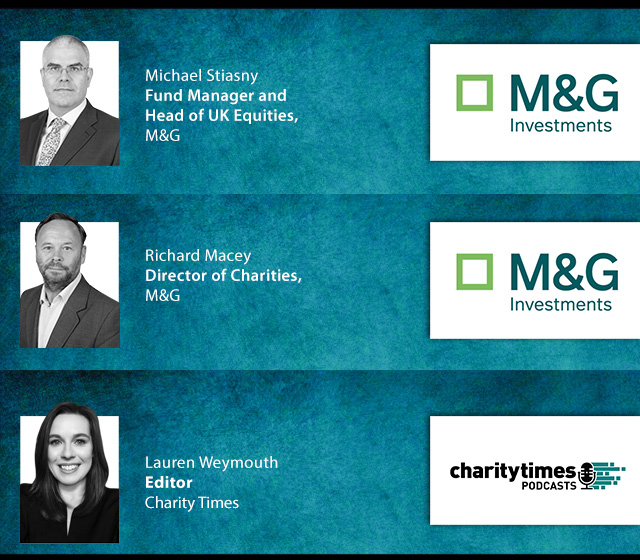
With charities facing increasing financial pressure and traditional income streams under strain, making investments work harder has never been more important. M&G’s Richard Macey and Michael Stiasny join Charity Times to discuss why equities remain a vital long-term asset class for charities, how organisations can balance income generation and growth, and the opportunities the current market environment may offer to help strengthen financial resilience.
Charity Times Awards 2023
Charity Times video Q&A: In conversation with Hilda Hayo, CEO of Dementia UK
Charity Times editor, Lauren Weymouth, is joined by Dementia UK CEO, Hilda Hayo to discuss why the charity receives such high workplace satisfaction results, what a positive working culture looks like and the importance of lived experience among staff. The pair talk about challenges facing the charity, the impact felt by the pandemic and how it's striving to overcome obstacles and continue to be a highly impactful organisation for anybody affected by dementia.




© 2021 Perspective Publishing Privacy & Cookies
Recent Stories