
Young wealthy donors are “asking tougher questions” of charities before they commit to investing in their work, a report has found.
In contrast to older philanthropists, younger rich donors are more focused on impact. Almost four in five young donors say that measurable outcomes matter to them, compared to under half of those aged 45 and over.
The survey by private banking firm Lombard Odier also found that young wealthy donors are “more likely to prioritise long-term sustainability, seek a more strategic approach and consider establishing a formal philanthropic vehicle”.
More than four in five younger rich donors consider the long-term sustainability of charity projects they invest as very important, compared to less than half of older philanthropists.
Almost half of young affluent donors want to develop a more strategic approach to giving, compared to less than a third of their older counterparts.
Setting up a formal philanthropic vehicle with a charity is backed by one in four younger donors, compared to one in seven aged 45 and over.
Lombard Odier says its findings show “a desire to make generosity work harder” among younger wealthy individuals as they take on more responsibility for their families’ fortune.
This means rich families “need to move beyond deciding which causes to support and consider how their giving is governed, measured and sustained – especially when wealth is being transferred between generations”.
Work to do on collaboration
Another finding from the research is that four in five philanthropists of all ages are keen to collaborate but currently just one in 12 currently do so.
They are keen to find ways to work with other philanthropists but while “the appetite is there” the “connective tissue is missing”, found researchers.
But during the summer charity fundraisers warned they are not being backed by their boards and senior leaders to more effectively target high net worth donors, according to research by the Chartered Institute of Fundraising (CIoF).
Its research also warned that efforts to attract philanthropic giving are being hindered by a lack of skills among charities in using technology to improve this revenue stream.


Latest News
-
Arts venue charity to close after ‘exhausting all possible alternatives’
-
Hospice charity repeatedly targeted by criminals launches appeal to improve security
-
Children’s charity refreshes brand to be clearer ‘about who it is’
-
Monday movers – 12 October 2026
-
Council terminates charity’s £8.57m children's care home contract early amid staffing concerns
-
Charity boss shows her 'vulnerability' as she posts emotional grant rejection video


Beyond the funding squeeze: Using equities to secure your charity’s future
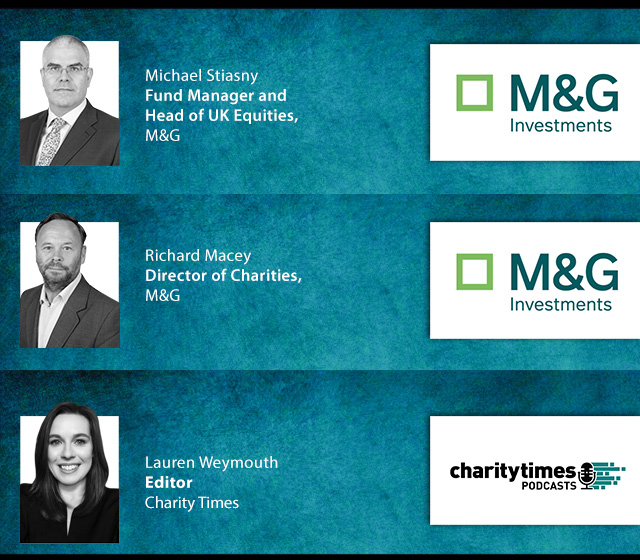
With charities facing increasing financial pressure and traditional income streams under strain, making investments work harder has never been more important. M&G’s Richard Macey and Michael Stiasny join Charity Times to discuss why equities remain a vital long-term asset class for charities, how organisations can balance income generation and growth, and the opportunities the current market environment may offer to help strengthen financial resilience.
Charity Times Awards 2023
Charity Times video Q&A: In conversation with Hilda Hayo, CEO of Dementia UK
Charity Times editor, Lauren Weymouth, is joined by Dementia UK CEO, Hilda Hayo to discuss why the charity receives such high workplace satisfaction results, what a positive working culture looks like and the importance of lived experience among staff. The pair talk about challenges facing the charity, the impact felt by the pandemic and how it's striving to overcome obstacles and continue to be a highly impactful organisation for anybody affected by dementia.




© 2021 Perspective Publishing Privacy & Cookies
Recent Stories