
The Fundraising Regulator has published its findings from a survey that asked the public about the good causes they regularly support and those they would not consider backing.
It found that hospital, hospice and medical research charities are the most popular causes to support among the UK public.
Around one in six say they regularly support these charities, and more than half donate occasionally or once or twice. Only one in 14 people said they would never support hospital and hospice good causes and only one in ten will not back medical research charities.
The proportions are also similar for other popular good causes, children and young people’s charities and animal welfare, found the Fundraising Regulator's research.
One in ten say they regularly support older people’s charities, the same proportion as those backing physical health, disability and armed forces charities.
Around one in seven say they regularly give to mental health and mental disability charities.
The least popular good cause are religious organisations. One in 12 say they regularly give to these good causes, but almost half of Brits say they would not consider supporting them.
One in three say they would not consider supporting overseas aid and international development charities, while more than one in five would not back environmental good causes.
Most popular ways to give
The survey among around 3,000 people was carried out for the regulator by Opinium.
It also found that donating good was the form of giving the public felt most comfortable doing, backing by more than four in five charity supporters.
People also feel most comfortable sponsoring fundraisers and taking part in charity lotteries.
They feel least comfortable with door to door raising, which is backed as a form of giving by less than three in ten people. Telephone fundraising is similarly unpopular.
While public fundraising, such as in the street and at supermarkets, is still among the ways to give people feel least comfortable with. But the survey found people’s experience with this form of fundraising is improving.
More than two in five people report having a positive experience with public fundraisers, compared to three in ten having a negative one. This is an improvement on the regulator’s 2023 survey which found more people were reporting negative experiences.
Almost two thirds of people say they had a positive experience across all forms of fundraising over the last 12 months.
“Fundraising is often the charity sector's ‘shop window’ for the public, with every interaction an opportunity to build trust and inspire support,” said the Fundraising Regulator’s head of policy Paul Winyard.
“These findings show that when people have a positive fundraising experience, they are far more likely to continue supporting charities in the future.
“It's encouraging to see improvements in the public’s experience of fundraising, particularly in areas that have historically attracted less favourable attention. That reflects the hard work and commitment the sector has shown to raising standards.
“This progress is to be applauded, but as we can see from the research, there is more work to be done. Charities must continue to invest in strong oversight, effective training and responsible fundraising practices so the public can give with confidence, and charities can continue to thrive.”
Claire Stanley, director of policy and communications at the Chartered Institute of Fundraising, welcomed the survey’s “encouraging” findings around public fundraising.
“We want to continue this upward trajectory and keep making improvements so that more members of the public have good experiences when they engage with charities.”
Trust levels fall
Trust in charities has fallen amid a wider slump in confidence across a raft of sectors, found the research
While three years ago more two in five people said they trusted local charities, this has dipped to just over one in three this year.
Similarly, trust in national charities has dipped from just under one in three to just over one in four.
However, the regulator points out that similar falls have been seen among health professionals, regulators, public bodies and businesses over the last three years.
Due diligence
Another finding is that one in three people do not carry out any checking about a charity before giving and proportion rises to more than half among older people, found the Fundraising Regulator research.
The most likely age group to carry out due diligence before donating, such as looking at a charity’s website or search for news stories about the good cause, are 16–24-year-olds. Only around one in eight do not carry out any checks.
Among those who do carry out checks, one in look at a charity’s website, one in five research the charity’s cause, and around one in six ask friends and family.
Only one in eight check whether a charity is registered with a charity regulator. Just over one in ten look to see if a charity has a Fundraising Regulator’s badge to commit it to good practice in fundraising.


Latest News
-
Arts venue charity to close after ‘exhausting all possible alternatives’
-
Hospice charity repeatedly targeted by criminals launches appeal to improve security
-
Children’s charity refreshes brand to be clearer ‘about who it is’
-
Monday movers – 12 October 2026
-
Council terminates charity’s £8.57m children's care home contract early amid staffing concerns
-
Charity boss shows her 'vulnerability' as she posts emotional grant rejection video


Beyond the funding squeeze: Using equities to secure your charity’s future
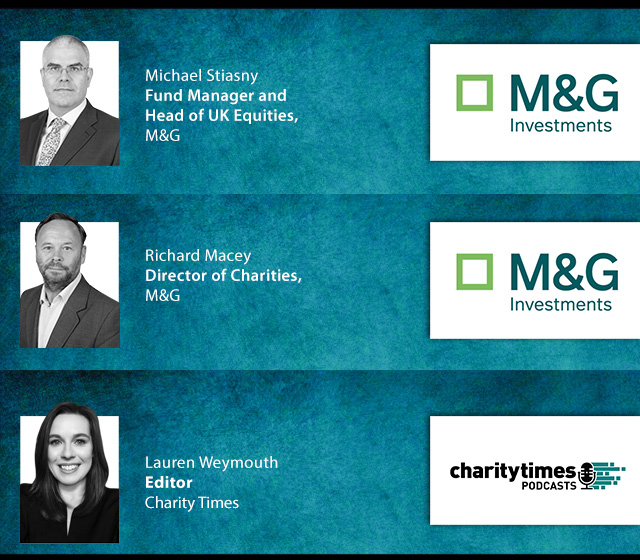
With charities facing increasing financial pressure and traditional income streams under strain, making investments work harder has never been more important. M&G’s Richard Macey and Michael Stiasny join Charity Times to discuss why equities remain a vital long-term asset class for charities, how organisations can balance income generation and growth, and the opportunities the current market environment may offer to help strengthen financial resilience.
Charity Times Awards 2023
Charity Times video Q&A: In conversation with Hilda Hayo, CEO of Dementia UK
Charity Times editor, Lauren Weymouth, is joined by Dementia UK CEO, Hilda Hayo to discuss why the charity receives such high workplace satisfaction results, what a positive working culture looks like and the importance of lived experience among staff. The pair talk about challenges facing the charity, the impact felt by the pandemic and how it's striving to overcome obstacles and continue to be a highly impactful organisation for anybody affected by dementia.




© 2021 Perspective Publishing Privacy & Cookies
Recent Stories